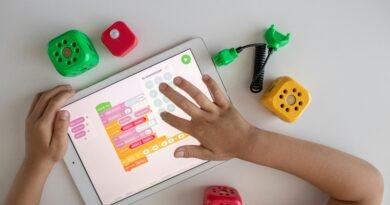
Top 5 Engaging Coding Platforms for Kids in 2024
Introduction:
As we navigate through the 21st century, the language of coding becomes increasingly fundamental, not just for career development but for nurturing problem-solving skills, creativity, and a logical mindset from a young age. With the digital world at their fingertips, children today are uniquely positioned to absorb, innovate, and shape the future of technology. This exploration into the top 5 coding platforms for kids in 2024 reveals the tools that are captivating young minds and revolutionizing educational paradigms.
Quick Overview of 5 coding platforms for kids
| Platform | Age Range | Key Features | Programming Languages | Engagement Factor |
|---|---|---|---|---|
| Scratch | 8 to 16 | Drag-and-drop coding, community sharing. | Scratch’s own visual code | Fosters creativity through game, animation, and story creation |
| Code.org | 4+ | Hour of Code, themed courses | Block-based, then JavaScript, HTML/CSS | Integrates popular characters for relatable learning experiences. |
| Tynker | 5+ | Block-based coding progressing to text coding. | Python, JavaScript, HTML/CSS | Gamified learning paths with a wide range of subjects |
| CodeCombat | 9+ | Game-based learning, real coding in games. | Python, JavaScript | Engages with an RPG-style adventure to solve problems. |
| Blockly | 8+ | Visual block programming, logic puzzles | Blocks transition to JavaScript, Python | Simplifies complex concepts for beginners. |
Scratch: Unleashing Creativity Through Code
Scratch, a brainchild of MIT, serves as a digital sandbox for kids aged 8 to 16, turning the complexity of coding into captivating, interactive narratives, games, and animations. Its intuitive drag-and-drop interface invites kids to experiment, create, and share, fostering a thriving community that encourages collaboration and inspiration. Scratch goes beyond mere coding; it nurtures a sense of community, allowing young coders to display their projects and sparking a vibrant exchange of ideas and creativity.
Engagement Factor: Beyond coding, Scratch cultivates a vibrant community where kids can showcase their projects, fostering an environment of learning, sharing, and inspiration.


Code.org: Coding for Every Child
Code.org is on a mission to democratize coding education, offering many engaging lessons for children, even as young as kindergarten. Its globally celebrated Hour of Code initiative has introduced coding to millions, making it accessible and fun. By incorporating characters from beloved franchises like Minecraft, Star Wars, and Frozen, Code.org bridges learning with play, turning education into an exhilarating adventure.
Engagement Factor: Featuring familiar faces from Minecraft, Star Wars, and Frozen, Code.org connects coding with children’s interests, making learning educational and exhilarating.


Tynker: Embarking on a Coding Odyssey
Tynker propels children on a gamified journey from simple block-based coding puzzles to the realms of Python and JavaScript, catering to novices as young as five. Its comprehensive curriculum spans game design to robotics, ensuring a match for every interest and ambition. Tynker’s philosophy is simple: when learning feels like play, education becomes an adventure, pushing boundaries and sparking endless curiosity.
Engagement Factor: Tynker’s expansive curriculum, covering everything from game design to robotics, ensures every child finds a pathway that excites and challenges them.
CodeCombat: Coding Meets Epic Adventure
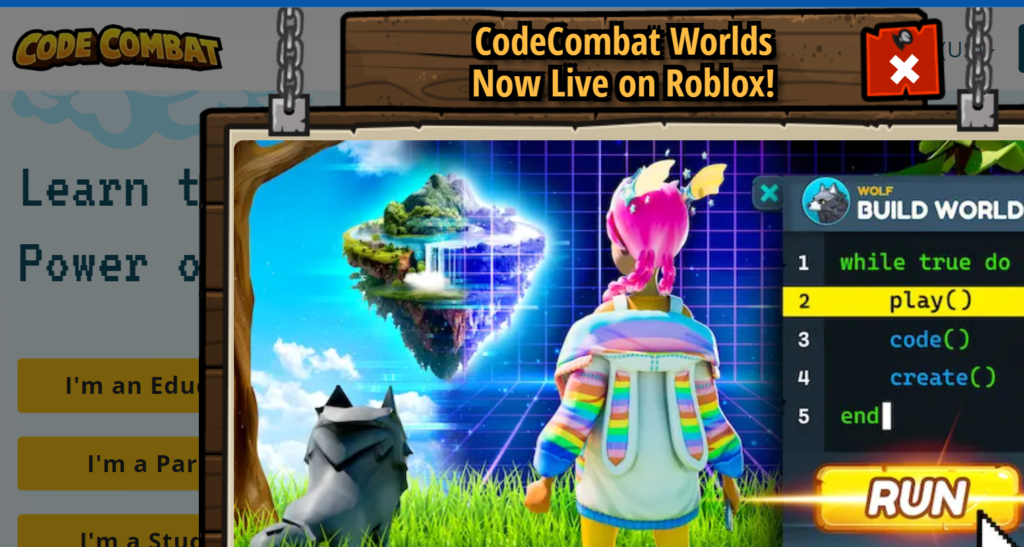
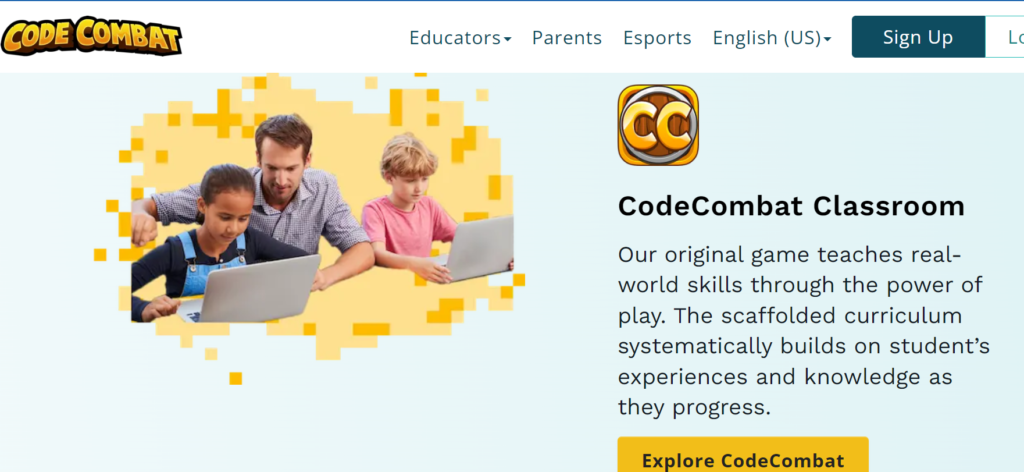
CodeCombat offers a unique proposition for kids with a foundational understanding of coding, blending Python and JavaScript learning with the thrill of a role-playing game. As players navigate mystical terrains, they tackle coding challenges, combining critical thinking with entertainment. This immersive approach transforms coding education into a narrative as engaging as any video game, proving that learning can be as thrilling as educational.
Engagement Factor: This immersive gaming experience teaches programming languages, critical thinking and strategy, engaging kids in a narrative as captivating as their favorite video games.
Blockly: Simplifying Coding for Beginners
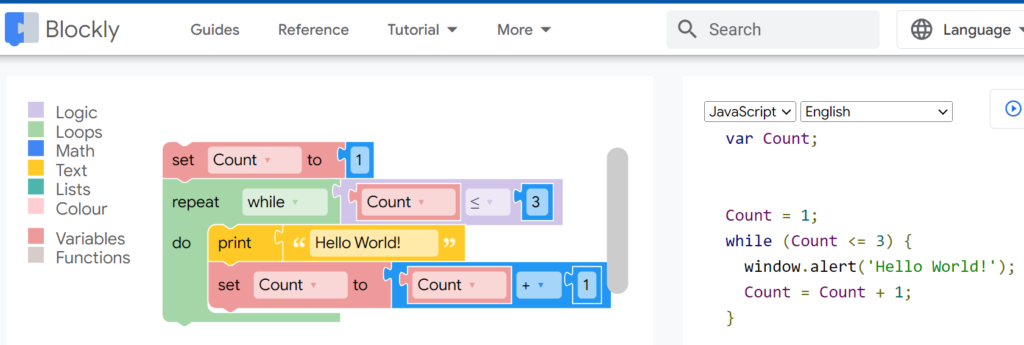
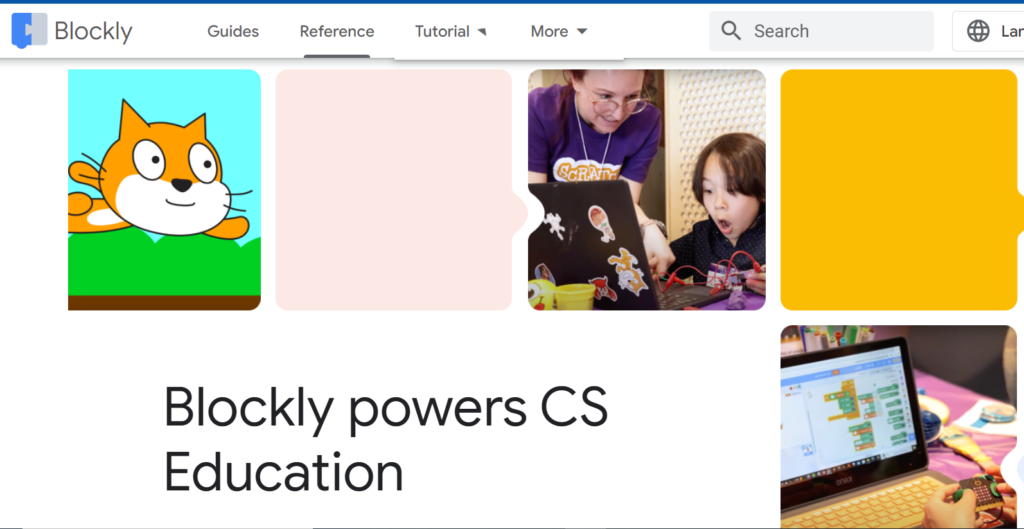
Blockly, by Google, simplifies coding for newcomers through visual block programming, laying down a robust foundation in programming logic and concepts. Its clean, intuitive interface makes coding approachable, encouraging kids to advance to more sophisticated text-based programming. Blockly exemplifies the ideal entry point into the coding world, making the intimidating programming world accessible and engaging for the next generation.
Engagement Factor: Blockly’s intuitive and straightforward approach demystifies coding for kids, encouraging them to tackle more challenging text-based coding as they grow.
Conclusion:
The digital age presents an unparalleled opportunity for our youngest members to master the language of the future. These top 5 coding platforms are not merely educational tools but gateways to innovation, understanding, and creation. As we guide our children through these digital landscapes, we’re not just preparing them for future careers; we’re empowering them to be the creators, thinkers, and leaders who will navigate the challenges of tomorrow.
FAQs:
Q1: At what age can children start learning to code?
A: Children as young as 5 years old can begin learning the basics of coding using visual block interfaces, making coding concepts accessible and fun.
Q2: Are these coding platforms suitable for beginners?
A: Yes, these platforms are designed with beginners in mind, offering a range of interactive lessons and activities that cater to different age groups and skill levels.
Q3: How do coding games improve learning?
A: Coding games make learning more interactive and enjoyable, enhancing problem-solving skills and logical thinking while keeping children engaged.
Q4: Is coding beneficial for children not interested in becoming programmers?
A: Absolutely. Coding teaches valuable life skills, including critical thinking, creativity, and resilience, which are beneficial in any career.
Q5: How much time should kids spend on coding each week?
A: While there’s no one-size-fits-all answer, starting with short, frequent coding sessions (e.g., 30 minutes to an hour, 2-3 times a week) can help maintain engagement without overwhelming them.
Call to Action:
Kickstart your child’s coding adventure today! Explore, discover, and create together. Watch their imagination soar with each line of code. Begin the journey, unlock potential, and embrace the fun of coding. Let’s code!